
Flood Zones— Simplified!
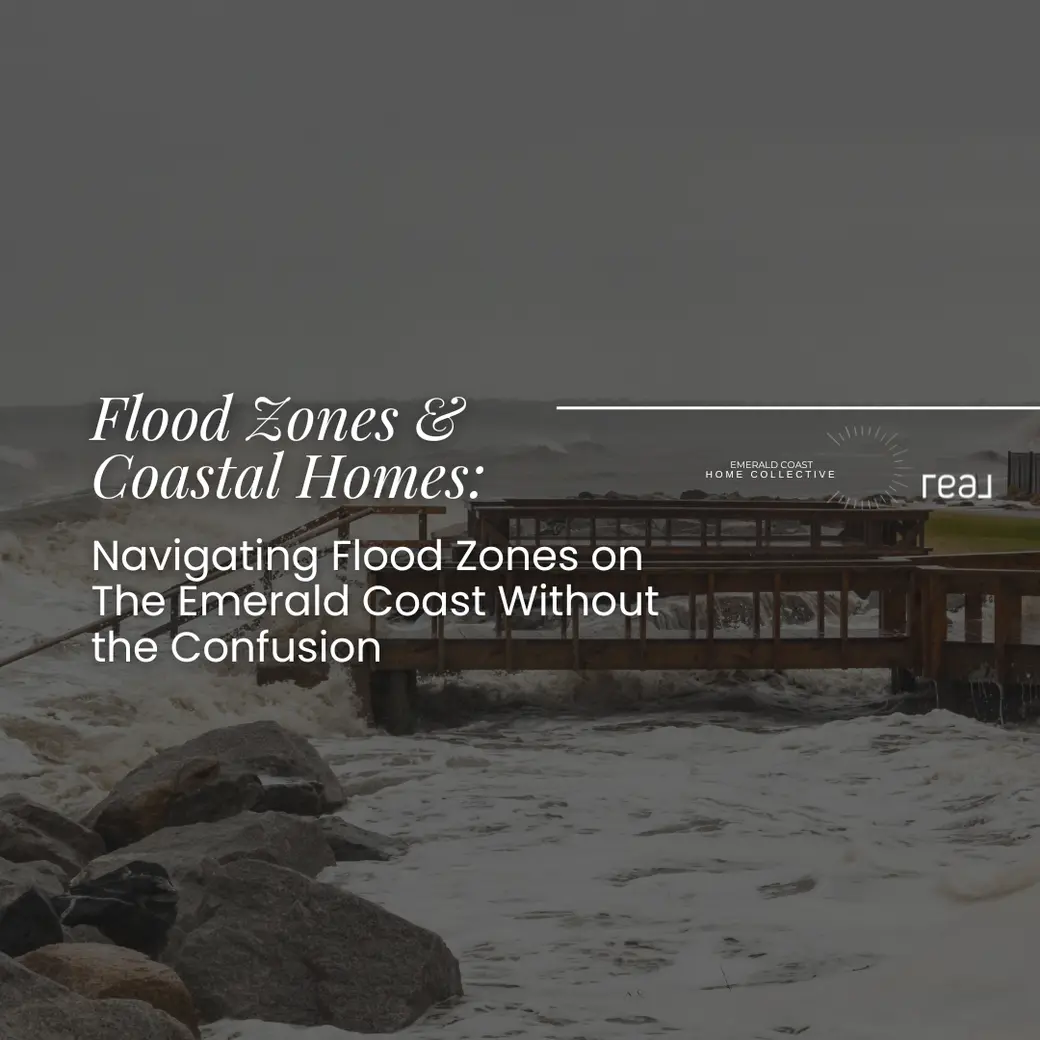
If there’s one topic generating more questions than almost anything else along the Emerald Coast in 2026, it’s flood zones. From Destin and 30A to Panama City Beach and Niceville, buyers are paying much closer attention to flood maps, insurance costs, elevation, and storm risk than they did just a few years ago. And honestly? That’s not a bad thing.
Today’s buyers are becoming more informed, more strategic, and far more focused on the true cost of coastal ownership. Because in 2026, buying near the water isn’t just about the view anymore — it’s also about understanding risk, insurance, and long-term property value.
Flood Zones Are Now a Major Buying Factor
During the ultra-competitive market of 2021–2023, many buyers barely looked at flood zones before making offers. Today, that’s changed dramatically. One of the biggest trends across the Emerald Coast this year is that buyers are carefully evaluating:
FEMA flood zones
Flood insurance requirements
Elevation certificates
Storm surge exposure
Insurance premium history
Drainage and lot elevation
New construction flood standards
Why? Insurance costs across Florida have become one of the biggest financial considerations in real estate. And flood zones can directly impact monthly ownership costs.
What Flood Zones Actually Mean
One of the biggest misconceptions buyers have is assuming that being in a flood zone automatically means a property floods regularly. That’s not necessarily true. Flood zones are FEMA-designated areas used to estimate flood risk and determine insurance requirements. Some of the most common flood zones buyers encounter on the Emerald Coast include:
Zone X
Typically considered lower flood risk.
Many properties in Zone X may not be required to carry flood insurance through lenders.
Zone AE
Higher-risk flood zone with established base flood elevations. Flood insurance is usually required for financed properties.
VE Zones
High-risk coastal flood areas with wave action risk. Common near beachfront or waterfront properties often carry higher insurance costs. For many buyers, understanding these distinctions can make a significant difference financially.
Insurance Costs Are Changing Buyer Behavior in 2026
This may be the biggest real estate shift happening across Florida right now. Buyers are no longer evaluating homes based only on price and location. They’re evaluating:
Total monthly carrying cost
Flood insurance premiums
Wind insurance
Roof age
Hurricane mitigation features
Elevation and drainage
A home with a lower purchase price but expensive insurance may actually cost more long-term than a slightly more expensive home in a lower-risk flood zone. That’s why experienced buyers in 2026 are asking far more detailed questions before making offers.
Smart Buyers Are Requesting Elevation Information Early
One trend emerging this year: Strategic buyers are asking for elevation certificates before they get deep into negotiations.
Why? Because elevation can dramatically affect:
Insurance premiums
Future resale value
Long-term risk exposure
Even within the same neighborhood, two homes may have very different insurance costs depending on elevation and flood zone designation. Savvy buyers understand this now. And sellers with favorable elevation information often use it as a marketing advantage.
Newer Homes Often Have an Advantage
Across parts of the Emerald Coast, newer construction homes are attracting increased attention because many were built to stricter flood and hurricane standards. Buyers are actively looking for:
Elevated foundations
Impact-rated windows
Updated roofing systems
Modern drainage planning
Stronger building codes compliance
These features may help reduce insurance costs and improve long-term durability during storm seasons. In some cases, buyers are prioritizing newer homes over older beachfront properties that may carry significantly higher maintenance and insurance expenses.
Waterfront Demand Is Still Strong
Despite all the conversations surrounding flood zones and insurance, demand for coastal property along the Emerald Coast remains incredibly resilient. People still want:
Gulf views
Beach access
Waterfront living
Vacation rental income
Coastal lifestyle communities
What’s changed is that buyers are becoming more educated. They’re not avoiding coastal property altogether. They’re simply becoming more selective about:
Location
Elevation
Insurance exposure
Long-term affordability
And that’s creating a healthier, more informed market overall.
Sellers Need to Be Prepared Too
For sellers, flood zone awareness is now part of the marketing conversation. Homes with:
Lower flood insurance costs
Transferable policies
Elevation certificates
Recent mitigation upgrades
Strong drainage systems
are becoming more attractive to buyers navigating today’s market. Sellers who proactively provide this information often create more confidence during negotiations. Transparency matters more than ever in 2026.
The Bottom Line
Flood zones are no longer a “small detail” in Emerald Coast real estate. They’ve become one of the biggest factors influencing:
Buyer decisions
Insurance affordability
Long-term ownership costs
Property desirability
But here’s the important thing: Being in a flood zone does not automatically make a property a bad investment. The key is understanding:
The actual level of risk
The financial impact
The insurance landscape
The property’s long-term value potential
The smartest buyers in 2026 aren’t avoiding coastal real estate. They’re simply becoming more informed before they buy. And along the Emerald Coast, that knowledge can make all the difference.
Today’s buyers are becoming more informed, more strategic, and far more focused on the true cost of coastal ownership. Because in 2026, buying near the water isn’t just about the view anymore — it’s also about understanding risk, insurance, and long-term property value.
Flood Zones Are Now a Major Buying Factor
During the ultra-competitive market of 2021–2023, many buyers barely looked at flood zones before making offers. Today, that’s changed dramatically. One of the biggest trends across the Emerald Coast this year is that buyers are carefully evaluating:
FEMA flood zones
Flood insurance requirements
Elevation certificates
Storm surge exposure
Insurance premium history
Drainage and lot elevation
New construction flood standards
Why? Insurance costs across Florida have become one of the biggest financial considerations in real estate. And flood zones can directly impact monthly ownership costs.
What Flood Zones Actually Mean
One of the biggest misconceptions buyers have is assuming that being in a flood zone automatically means a property floods regularly. That’s not necessarily true. Flood zones are FEMA-designated areas used to estimate flood risk and determine insurance requirements. Some of the most common flood zones buyers encounter on the Emerald Coast include:
Zone X
Typically considered lower flood risk.
Many properties in Zone X may not be required to carry flood insurance through lenders.
Zone AE
Higher-risk flood zone with established base flood elevations. Flood insurance is usually required for financed properties.
VE Zones
High-risk coastal flood areas with wave action risk. Common near beachfront or waterfront properties often carry higher insurance costs. For many buyers, understanding these distinctions can make a significant difference financially.
Insurance Costs Are Changing Buyer Behavior in 2026
This may be the biggest real estate shift happening across Florida right now. Buyers are no longer evaluating homes based only on price and location. They’re evaluating:
Total monthly carrying cost
Flood insurance premiums
Wind insurance
Roof age
Hurricane mitigation features
Elevation and drainage
A home with a lower purchase price but expensive insurance may actually cost more long-term than a slightly more expensive home in a lower-risk flood zone. That’s why experienced buyers in 2026 are asking far more detailed questions before making offers.
Smart Buyers Are Requesting Elevation Information Early
One trend emerging this year: Strategic buyers are asking for elevation certificates before they get deep into negotiations.
Why? Because elevation can dramatically affect:
Insurance premiums
Future resale value
Long-term risk exposure
Even within the same neighborhood, two homes may have very different insurance costs depending on elevation and flood zone designation. Savvy buyers understand this now. And sellers with favorable elevation information often use it as a marketing advantage.
Newer Homes Often Have an Advantage
Across parts of the Emerald Coast, newer construction homes are attracting increased attention because many were built to stricter flood and hurricane standards. Buyers are actively looking for:
Elevated foundations
Impact-rated windows
Updated roofing systems
Modern drainage planning
Stronger building codes compliance
These features may help reduce insurance costs and improve long-term durability during storm seasons. In some cases, buyers are prioritizing newer homes over older beachfront properties that may carry significantly higher maintenance and insurance expenses.
Waterfront Demand Is Still Strong
Despite all the conversations surrounding flood zones and insurance, demand for coastal property along the Emerald Coast remains incredibly resilient. People still want:
Gulf views
Beach access
Waterfront living
Vacation rental income
Coastal lifestyle communities
What’s changed is that buyers are becoming more educated. They’re not avoiding coastal property altogether. They’re simply becoming more selective about:
Location
Elevation
Insurance exposure
Long-term affordability
And that’s creating a healthier, more informed market overall.
Sellers Need to Be Prepared Too
For sellers, flood zone awareness is now part of the marketing conversation. Homes with:
Lower flood insurance costs
Transferable policies
Elevation certificates
Recent mitigation upgrades
Strong drainage systems
are becoming more attractive to buyers navigating today’s market. Sellers who proactively provide this information often create more confidence during negotiations. Transparency matters more than ever in 2026.
The Bottom Line
Flood zones are no longer a “small detail” in Emerald Coast real estate. They’ve become one of the biggest factors influencing:
Buyer decisions
Insurance affordability
Long-term ownership costs
Property desirability
But here’s the important thing: Being in a flood zone does not automatically make a property a bad investment. The key is understanding:
The actual level of risk
The financial impact
The insurance landscape
The property’s long-term value potential
The smartest buyers in 2026 aren’t avoiding coastal real estate. They’re simply becoming more informed before they buy. And along the Emerald Coast, that knowledge can make all the difference.
Categories
- All Blogs (183)
- Eat (25)
- Emerald Coast Updates (34)
- Holiday Ideas (21)
- Home Buying Guide (74)
- Home Owner Tips (70)
- Homes For Sale Along The Emerald Coast (26)
- Investing Tips (52)
- Living in 30A (73)
- Market Update (44)
- Play (43)
- Relocation Guide (53)
- Schools in the Emerald Coast (2)
- Stay (44)
- Weekend Guide (8)
Recent Posts

Is Your Dream Home Hiding a Scary Secret?
After the Storm, Hope Remains
Don’t Wait for the Storm: Prepare Your Family Now

Inherited a Home? Here’s What to Do Next

A Little Coastal Luxury for Your Bathroom!

Bring Fall Comfort to Your Backyard
Picture-Perfect Listings Start Here!

Real Estate, Wealth & Legacy
Two Styles, One Coast: Modern vs. Traditional Homes
Beach House Dreams? Don't Overlook These Red Flags!
GET MORE INFORMATION
